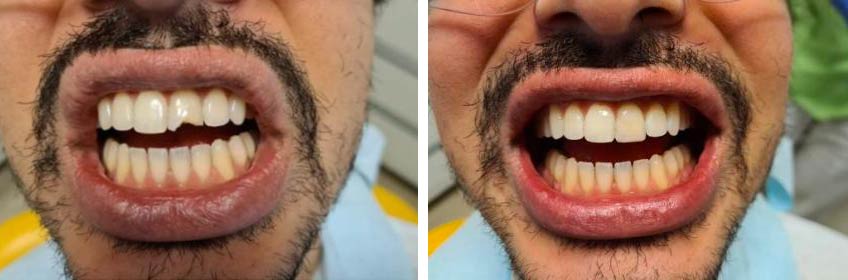
Bonding is typically used for cosmetic purposes to improve the appearance of a stained, uneven or chipped teeth, occasionally even closing a small gap between teeth.
Composite bonding is the process in which tooth coloured composite resin material is used to enhance the appearance of chipped, misaligned or discolored teeth. The shape and size of your natural teeth can also be modified to improve aesthetics and create a more uniform appearance.
After a thorough assessment of your bite, occlusion, tooth shape and size, tooth colour, facial symmetry and speech you will start your composite bonding journey. Your tooth surface will be cleaned and slightly roughened in order to allow primer and resin to be applied and perfectly sculpted into your desired shape. This is then set with a curing light which ensures the resin in hardened with the final step being polishing and perfecting.
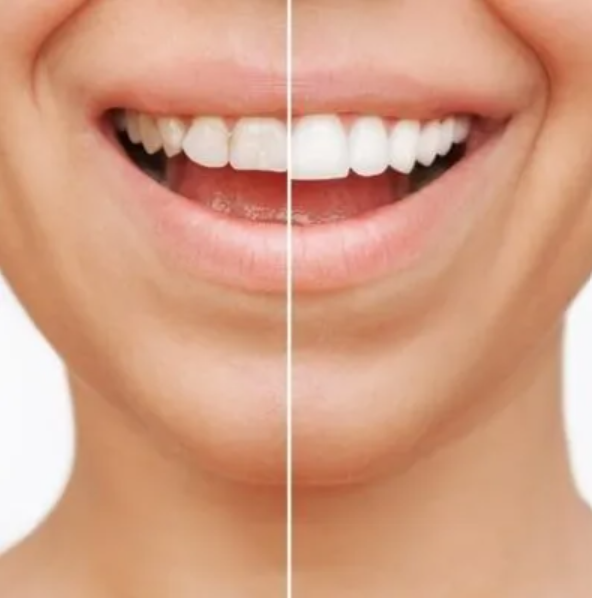
Your composite bonding dentist will provide you with detailed aftercare instructions to ensure your compliance in aiding your composite bonding to last as long as possible. Typically composite bonding lasts 5-7 years and can be refreshed when needed. The longevity of your composite bonding results relies upon your dentists expertise and precision in perfecting your treatment in relation to your bite and occlusion and your partnership in practicing a strict oral hygiene regime. Staining can occur dependent on which food and drinks you consume and therefore attending for a hygiene clean as recommended by your composite bonding dentist is imperative. If you grind or clench your teeth your dentist may recommend a mouth guard (nightguard) to avoid chipping and breaking.
Following your consultation, it is likely that your treatment can be completed in one visit. On average one tooth takes 30 – 60 minutes but we must warn you that we are perfectionists and therefore further appointments for polishing and shaping may be required.
Both composite bonding and veneers are similar in that they can achieve improved aesthetics, colour and shape. However, there are differences and it is important to determine which dental treatment is right for you
| Feature | Composite Bonding | Veneers |
|---|---|---|
|
Material |
Tooth-coloured composite resin |
Porcelain or composite resin |
|
Durability |
Lasts 5–7 years with proper care |
Porcelain veneers last 10–15 years; composite veneers last 5–7 years |
|
Procedure Time |
Can be completed in a single visit |
Typically requires at least two visits |
|
Cost |
£200 – £400 per tooth |
£400 – £950 per tooth |
|
Aesthetic Quality |
Natural-looking but susceptible to staining |
Porcelain veneers resist stains and provide a more lifelike appearance |
|
Tooth Preparation |
Minimal or no enamel removal required |
Enamel removal required for proper veneer fit |
|
Reparability |
Easy to repair if damaged. Please contact your treatment co-ordintator to book an appointment. |
More difficult and more expensive to repair. This can result in our laboratory having to remake your porcelain veneer. |
The cost of composite bonding varies upon the complexity and how many teeth require bonding. We provide both composite edge bonding and full surface composite bonding and therefore fees range from £200 – £400 per tooth.
Over time composite bonding can stain. The main reasons are habits such as smoking or consuming heavily coloured food or drink. The reason for this is that the composite material used is more porous than the enamel on your natural tooth and therefore discolouration can occur. To keep staining to a minimum, your composite bonding dentist would advise regular airflow hygiene visits.
To make an appointment or have a general enquiry please use our contact form and we will aim to get back to as soon as possible.
0207 450 2920
info@london-dental-implant.co.uk
07770 463413
158 – 160 Battersea Park Road
London
SW11 4ND